Drink mukti medicine is best understood as medically supervised support for people trying to stop alcohol, opioids, sedatives, or other addictive substances not as a single “one-dose cure.” In real addiction treatment, medicines may help manage withdrawal, reduce cravings, prevent relapse, or treat related mental and physical health concerns. The safest path usually combines medical care, counseling, family support, and a long-term addiction recovery plan.
What is Drinkmukti medicine?
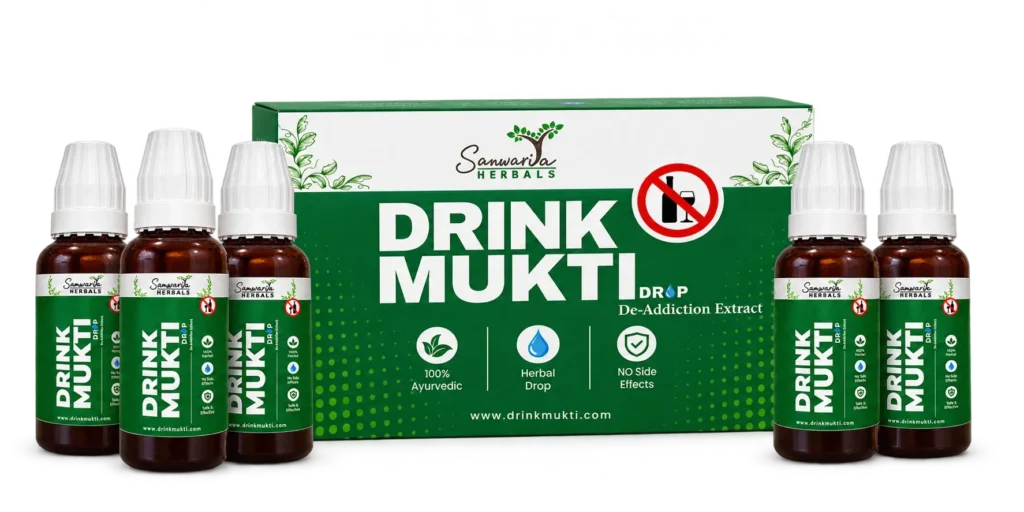
Drinkmukti medicine refers to medicines used as part of de-addiction or substance abuse treatment, usually under the guidance of a qualified doctor or addiction specialist. Depending on the substance involved, these medicines may support detox, reduce withdrawal discomfort, lower cravings, or help a person stay stable after detox. Evidence-based guidance from major health bodies emphasizes that medication works best when it is part of a broader treatment plan that may include psychosocial support, behavioral therapy, and follow-up care. (samhsa.gov)
The word “Drink mukti” simply means freedom from intoxication or addiction. That freedom rarely comes from medicine alone. Addiction affects the brain, habits, relationships, sleep, stress response, and decision-making, so recovery needs support in all of those areas. Drink Mukti medicine can open the door, but the full journey depends on structured care and consistent follow-through.
Medicine is support, not a shortcut
A common mistake is to look for a secret tablet, herbal mixture, or detox medicine that can end addiction quickly. This belief is understandable, especially when families are tired, frightened, or desperate for change. But addiction recovery is not simply about removing a substance from the body; it is also about helping the person manage cravings, triggers, emotions, routines, and relapse risk.
Detoxification, or medically managed withdrawal, is often an early step in drug rehabilitation, but it is not the whole treatment. NIDA notes that many treatment programs begin with detox and medically managed withdrawal, yet withdrawal can involve serious or even life-threatening complications depending on the substance and the person’s health. (nida.nih.gov) This is why self-detox at home, especially from alcohol, sedatives, or heavy opioid use, can be risky.
In practical terms, medicine may help someone become stable enough to participate in counseling, rebuild routines, and make safer choices. Without that next stage, the person may complete detox and return to the same environment, stress, or peer circle that contributed to substance use in the first place.
How detox medicine fits into treatment
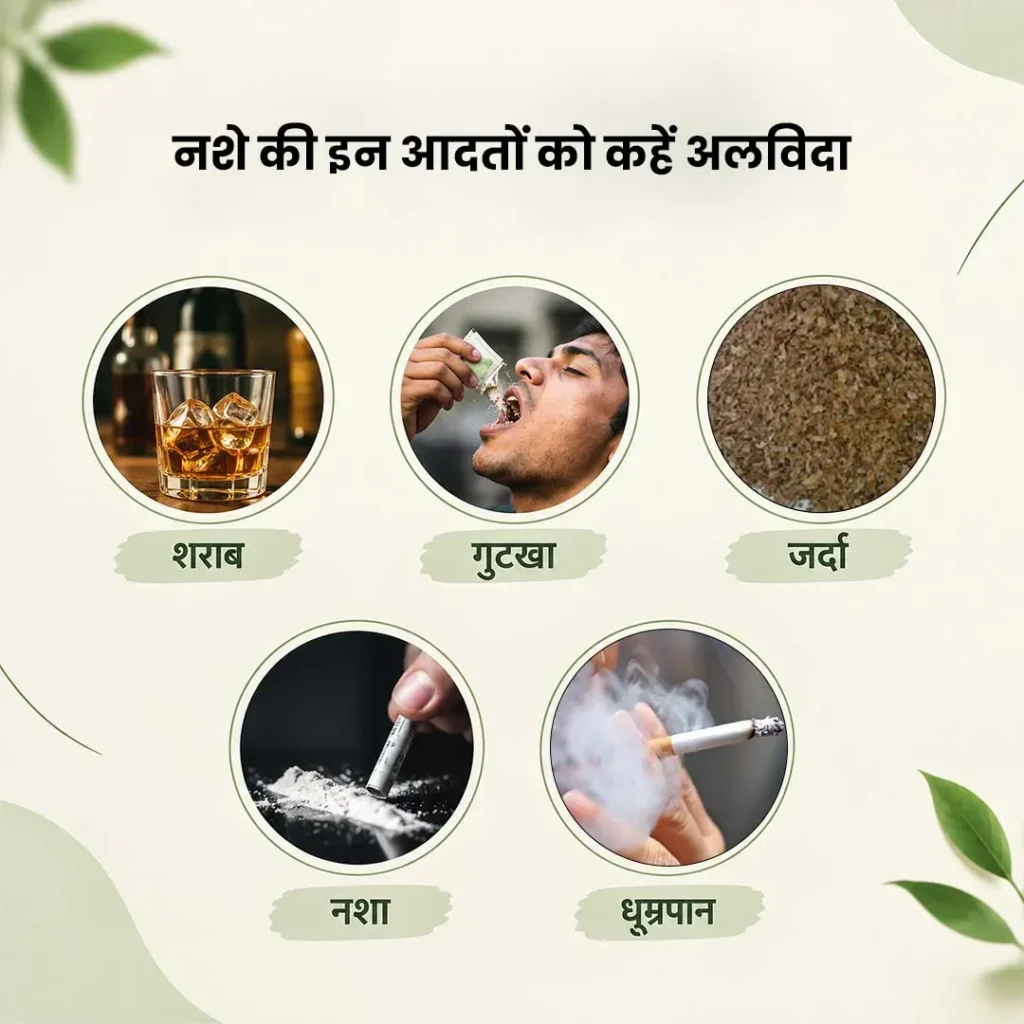
Detox medicine is used to manage withdrawal symptoms when the body reacts to reduced or stopped substance use. The type of medicine depends on the substance, duration of use, amount used, other health conditions, and whether the person has a history of seizures, overdose, severe anxiety, or other complications. WHO guidance on alcohol withdrawal, for example, says medication dose and duration should be individually determined according to withdrawal severity and medical conditions. (who.int)
A medically supervised detox plan may include:
- Assessment before detox: The doctor asks about substances used, last use, medical history, mental health, previous withdrawal symptoms, and current medications.
- Withdrawal monitoring: Staff may track sleep, blood pressure, pulse, anxiety, confusion, tremors, nausea, pain, or cravings.
- Symptom management: Medicines may be used to reduce withdrawal risks and improve comfort when clinically appropriate.
- Safety planning: The team may watch for complications, dehydration, self-harm risk, overdose risk, or mixing of substances.
- Transition planning: Detox should lead into counseling, relapse-prevention work, and ongoing drug rehabilitation support.
The key point is that detox medicine is not chosen randomly. What helps one person may be unsafe for another, especially if alcohol, opioids, benzodiazepines, sleeping pills, or multiple substances are involved.
Types of medicine used in addiction treatment
Different addictions require different medical approaches. For opioid use disorder, SAMHSA lists buprenorphine, methadone, and naltrexone as medications used in treatment; buprenorphine can reduce opioid cravings, while methadone can reduce cravings and withdrawal and block or blunt opioid effects. (samhsa.gov) WHO also describes opioid dependence treatment as psychosocially assisted pharmacological care, meaning medicine and psychosocial support are used together rather than separately. (who.int)
For alcohol use disorder, medications may be used in some treatment plans to support abstinence, reduce cravings, or reduce relapse risk. SAMHSA notes that FDA-approved medications exist for alcohol and opioid use disorders, and treatment options may also include counseling and recovery support. (samhsa.gov) For other substances, such as stimulants, treatment may rely more heavily on behavioral therapies, mental health care, sleep support, and structured recovery planning, though a doctor may still treat related symptoms.
It is important not to compare these medicines casually. Some are used during withdrawal, some are used after detox, and some are long-term maintenance medicines. Stopping prescribed treatment suddenly can increase relapse risk or cause withdrawal, so changes should be discussed with the treating clinician.
Why professional drug rehabilitation matters
Drug rehabilitation gives structure to a process that is otherwise easy to start and hard to sustain. A person may sincerely want to quit, but cravings, withdrawal, guilt, social pressure, loneliness, or untreated anxiety can pull them back. A professional setting can help separate the person from immediate triggers while teaching new coping skills.
Good addiction treatment usually looks at the whole person, not only the substance. This can include physical health, mental health, family conflict, work stress, sleep patterns, trauma, and the availability of sober support. SAMHSA describes substance use treatment options as including medication, counseling, recovery support, and care models designed to improve access and continuity. (samhsa.gov)
A rehabilitation plan may include:
- Medical evaluation to understand risk, withdrawal needs, and co-occurring health conditions.
- Detox or stabilization if the person is physically dependent or at risk during withdrawal.
- Counseling and therapy to identify triggers, thought patterns, and high-risk situations.
- Family education so relatives learn how to support recovery without enabling substance use.
- Relapse-prevention planning with practical steps for cravings, stress, social pressure, and emergencies.
- Aftercare through follow-up visits, support groups, continued medication when prescribed, and lifestyle rebuilding.
This structure matters because early motivation can fade. Recovery becomes more realistic when support continues beyond the first few days of detox.
When should someone seek medical help?
Someone should seek medical help as soon as substance use feels difficult to control, causes withdrawal symptoms, leads to unsafe behavior, damages relationships, or continues despite harm. Urgent medical attention is especially important if the person has confusion, seizures, chest pain, severe vomiting, suicidal thoughts, overdose symptoms, heavy alcohol use, sedative dependence, pregnancy, or multiple substances in use. Withdrawal from some substances can be medically dangerous, so it is safer to ask for help early than to wait for a crisis. (who.int)
Families should also seek guidance if they are unsure what the person is taking. Many people mix alcohol with pills, opioids, cannabis, or stimulants, and that can change the risk level. A doctor or rehabilitation professional can help decide whether outpatient care is enough or whether inpatient supervision is safer.
If the person refuses help, family members can still consult a professional for advice. They can learn how to communicate without threats, set boundaries, reduce access to money or substances when appropriate, and respond safely during intoxication or withdrawal.
Choosing safe and reliable nasha mukti support
Because addiction makes families vulnerable, it is important to be cautious about dramatic promises. Be careful with anyone claiming guaranteed results, secret formulas, punishment-based methods, forced isolation without medical oversight, or medicine that can be hidden in food without the person’s knowledge. Ethical treatment should respect safety, consent, privacy, and medical standards.
Use this checklist when evaluating support:
- Is there a qualified medical professional involved? Detox and prescription medicines should be supervised.
- Is the treatment plan personalized? Substance type, health status, mental health, and withdrawal history should be assessed.
- Is counseling included? Medicine alone is usually not enough for long-term change.
- Is family guidance available? Families often need education as much as the patient needs treatment.
- Is aftercare discussed from the beginning? Recovery support after discharge reduces the “now what?” gap.
- Are claims realistic? Recovery can improve life greatly, but no ethical provider should promise instant permanent cure.
A reliable nasha mukti approach should make the person safer, more stable, and more connected to ongoing support. It should not rely on fear, shame, or secrecy.
Recovery continues after medicine
Medicine can reduce the pressure of withdrawal and cravings, but the person still needs a new daily pattern. This may mean avoiding old using environments, building sober friendships, improving sleep, repairing family trust gradually, and learning how to handle stress without substances. The goal is not only to stop using; it is to create a life where returning to use becomes less likely.
Small routines can have a big role in addiction recovery. Regular meals, hydration, physical movement, scheduled therapy, spiritual or community support, and honest check-ins with trusted people can create stability. Relapse-prevention plans should be practical: who to call during cravings, where not to go, what to do after an argument, and how to respond if a slip happens.
Relapse, if it occurs, should be treated as a warning sign rather than proof of failure. The treatment plan may need adjustment, more support, a different level of care, or review of medicines. Recovery is often a process of learning, correcting, and continuing.
A practical takeaway
Drink mukti medicine can be a valuable part of addiction treatment, especially when withdrawal symptoms, cravings, or relapse risk need medical support. But safe care depends on proper assessment, supervised detox medicine when needed, counseling, family involvement, and long-term follow-up.
If you or someone close to you is struggling with substance abuse, avoid self-medicating or relying on unverified remedies. Speak with a qualified healthcare professional or reputable drug rehabilitation service and ask for a clear, medically supervised plan. The right support can turn the idea of nasha mukti into a steady, realistic path toward recovery.
1. What is DrinkMukti Medicine?
DrinkMukti is an Ayurvedic herbal Dops positioned to support people working toward an alcohol-free lifestyle. Users should review the product label and consult a qualified healthcare professional for appropriate guidance.
2. Is DrinkMukti Medicine used for alcohol de-addiction?
DrinkMukti is marketed for alcohol-addiction support. However, its effectiveness for treating alcohol dependence should not be assumed without reliable clinical evidence. Consult a healthcare professional for treatment options.
3. How should DrinkMukti Drops be used?
Use DrinkMukti only according to the directions on its product label and guidance from a qualified healthcare professional. Do not exceed the recommended usage.
4. Can Ayurvedic medicine help with alcohol addiction?
Some people explore Ayurvedic products as part of their wellness routine, but evidence for specific products varies. Alcohol dependence may require professional treatment, counselling, and medical supervision.
5. Is DrinkMukti Medicine a replacement for medical treatment?
No. DrinkMukti should not be considered a replacement for professional treatment. People who drink heavily or regularly should seek medical advice before stopping alcohol, as withdrawal can be dangerous.
6. How can I start my journey toward an alcohol-free lifestyle?
Start by speaking with a qualified healthcare professional, identifying your support system, and creating a treatment plan suited to your needs. Professional counselling and ongoing support can help.
7. Where can I learn more about DrinkMukti Medicine?
Visit the official DrinkMukti website at https://drinkmukti.com/ to review product information, ingredients, directions for use, and available support resources.
Drink mukti medicine can be a valuable part of addiction treatment, especially when withdrawal symptoms, cravings, or relapse risk need medical support. But safe care depends on proper assessment, supervised detox medicine when needed, counseling, family involvement, and long-term follow-up.
If you or someone close to you is struggling with substance abuse, avoid self-medicating or relying on unverified remedies. Speak with a qualified healthcare professional or reputable drug rehabilitation service and ask for a clear, medically supervised plan. The right support can turn the idea of nasha mukti into a steady, realistic path toward recovery.